
The Flooring People
Yorkshire Trusts
Carpets, vinyl, laminate and LVT fitted by York's local experts. Book a free home visit and we'll bring the showroom to you. Covering York, Harrogate, Thirsk, Malton and surrounding areas.
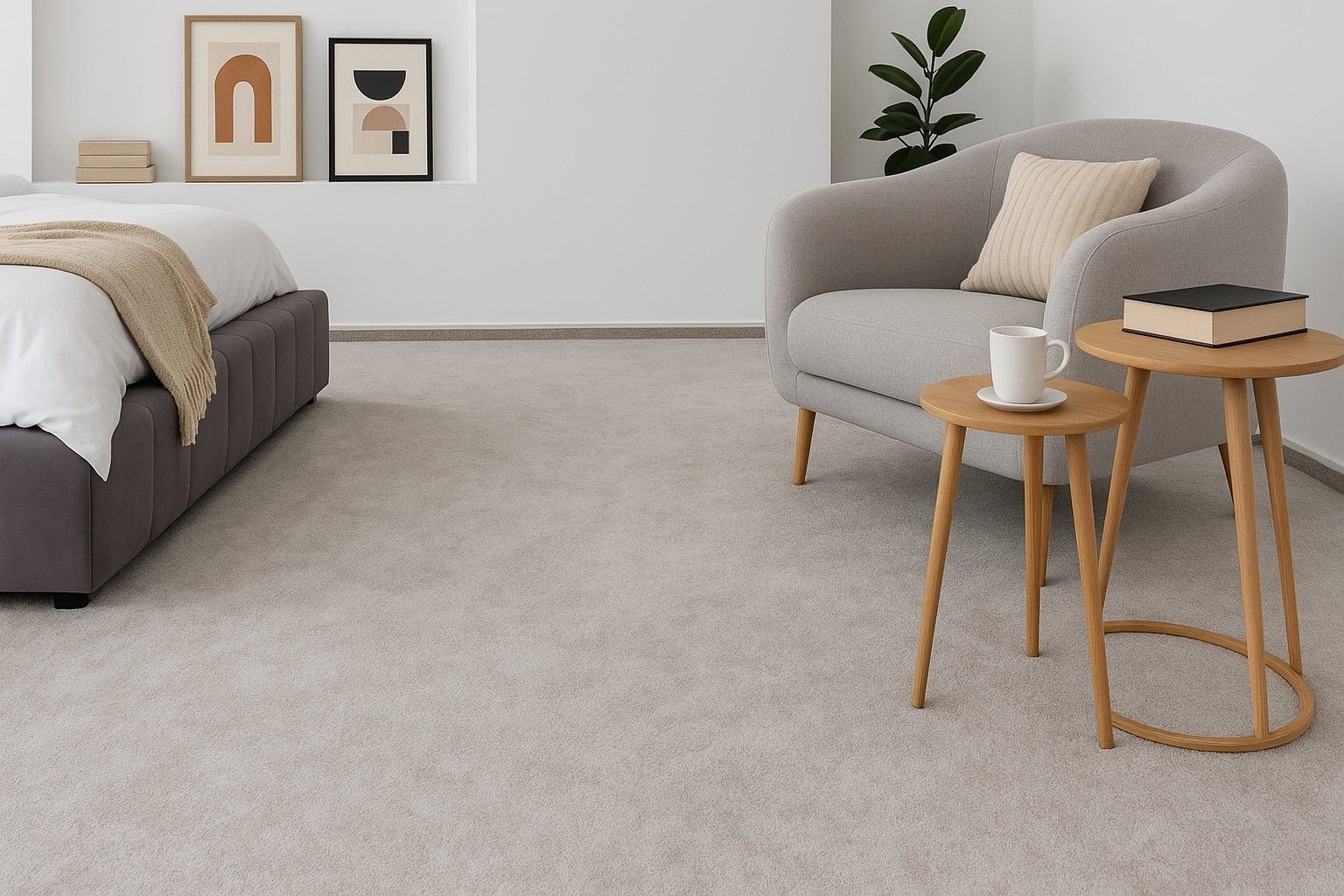
Carpets
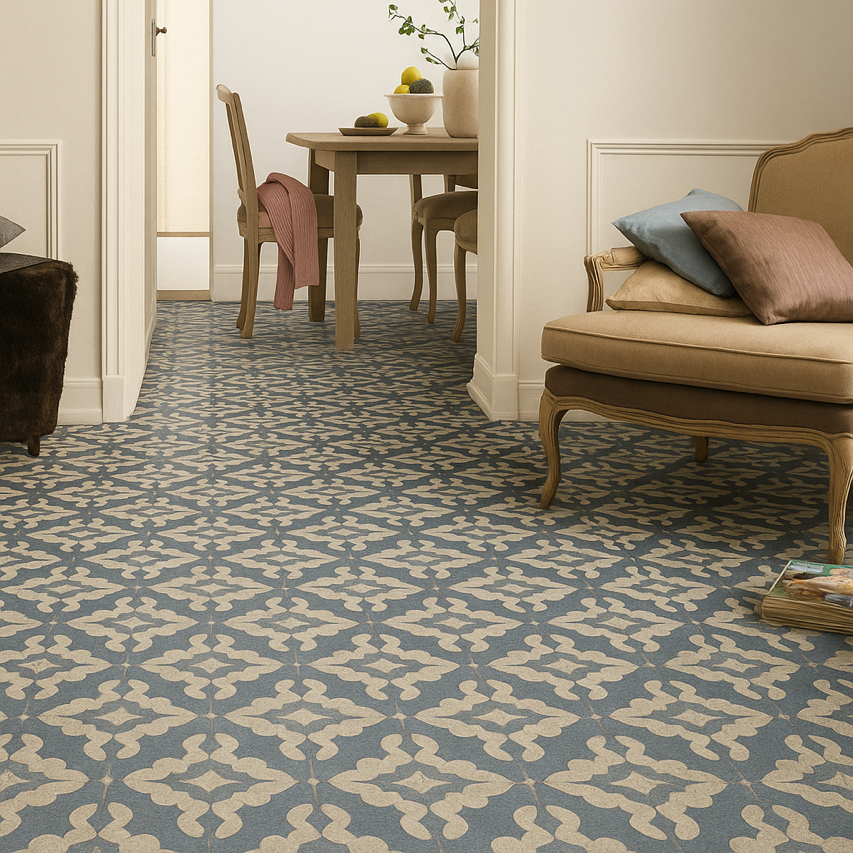
Vinyl Flooring
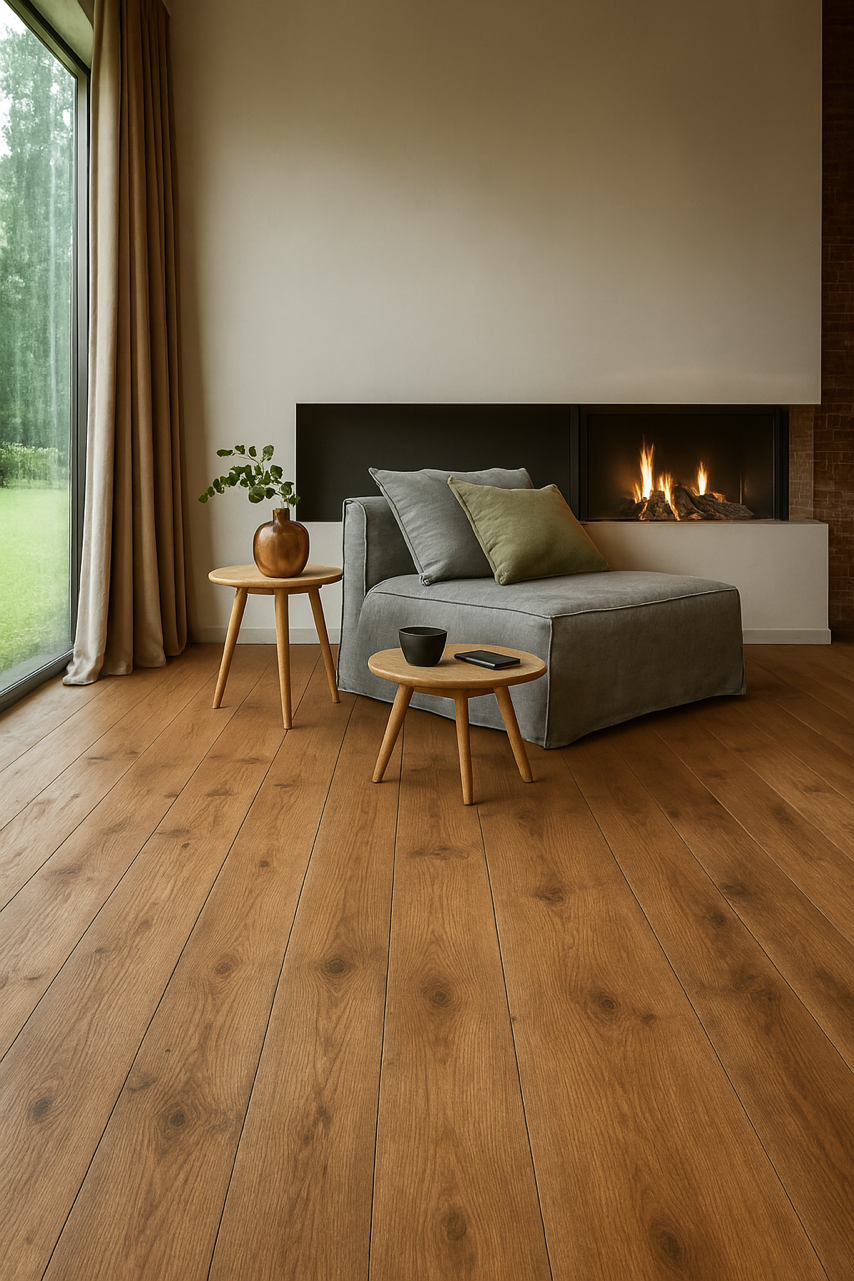
Laminate
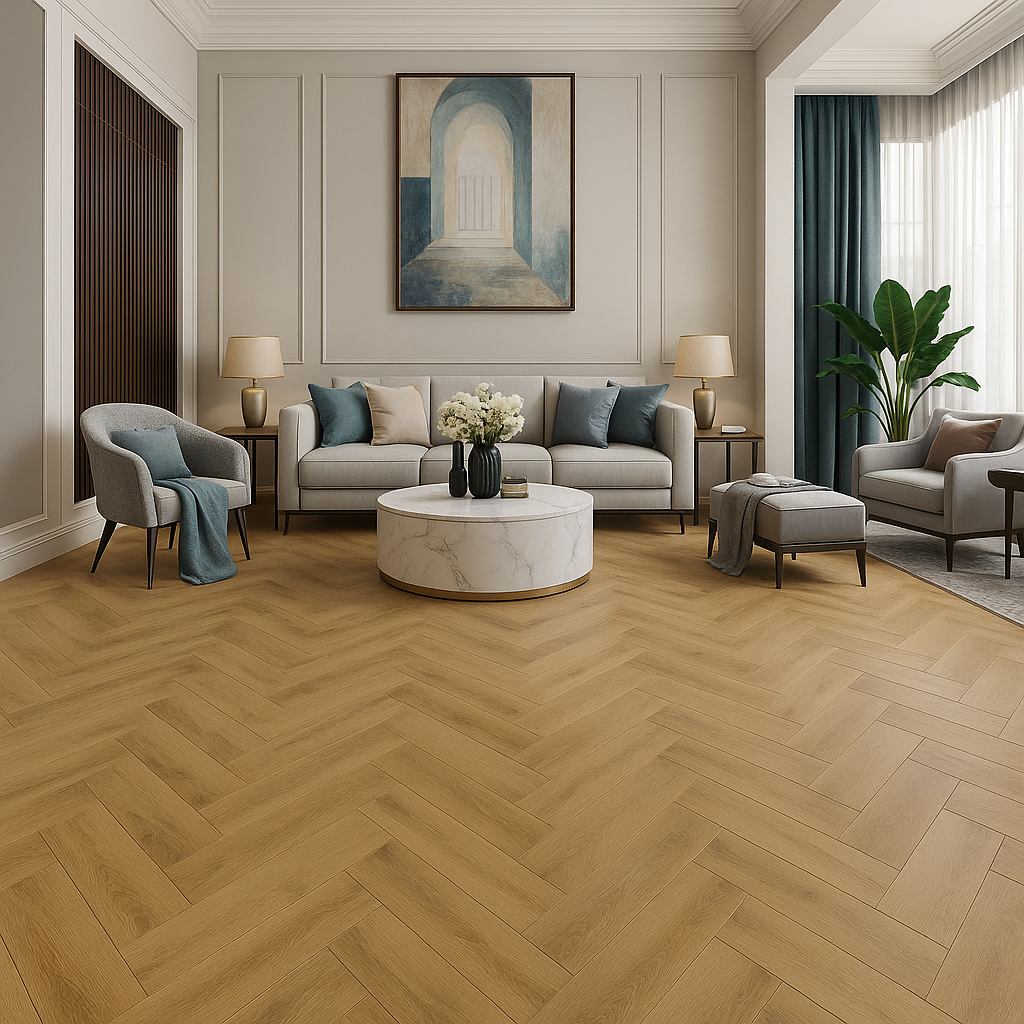
LVT Flooring
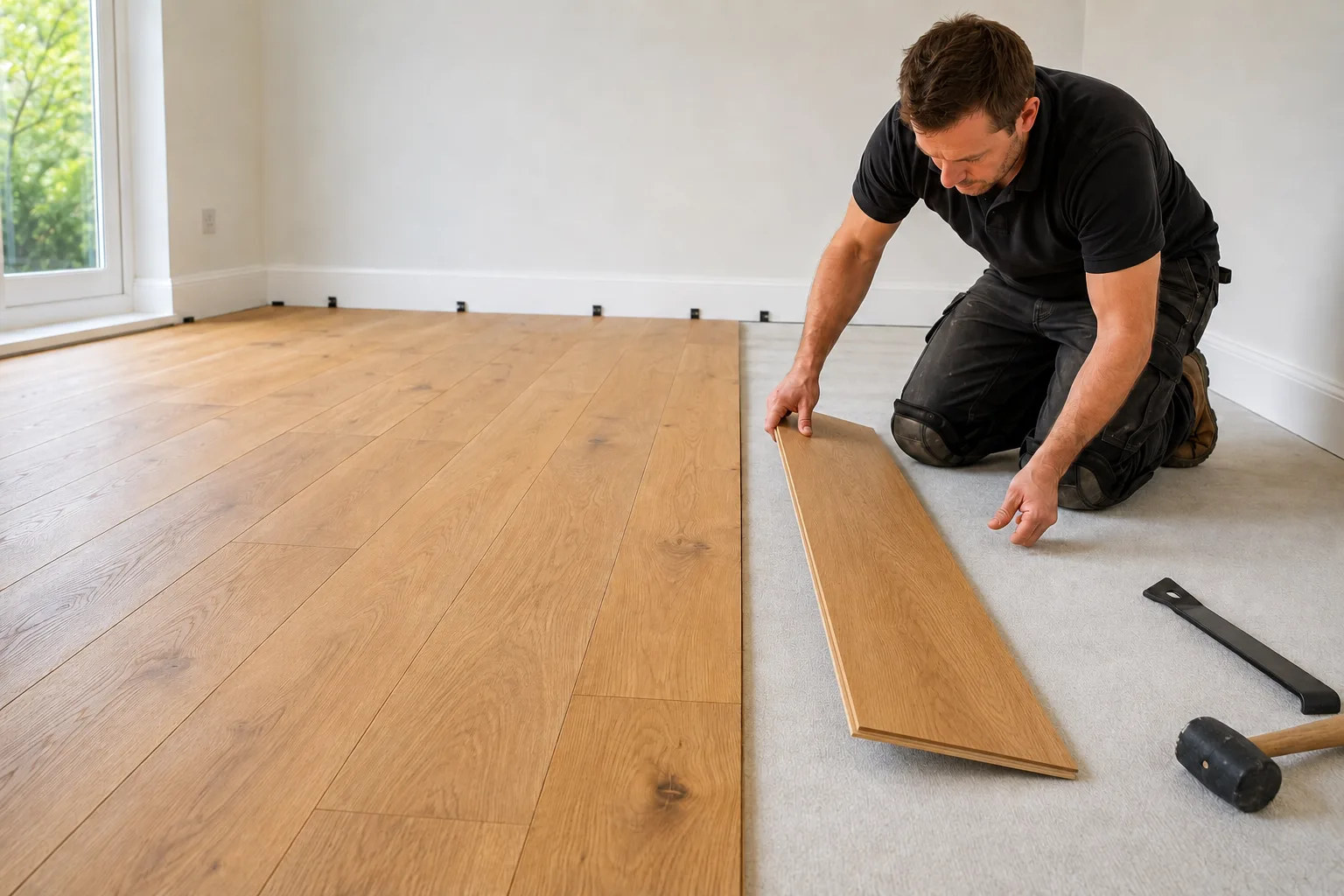
Engineered Wood
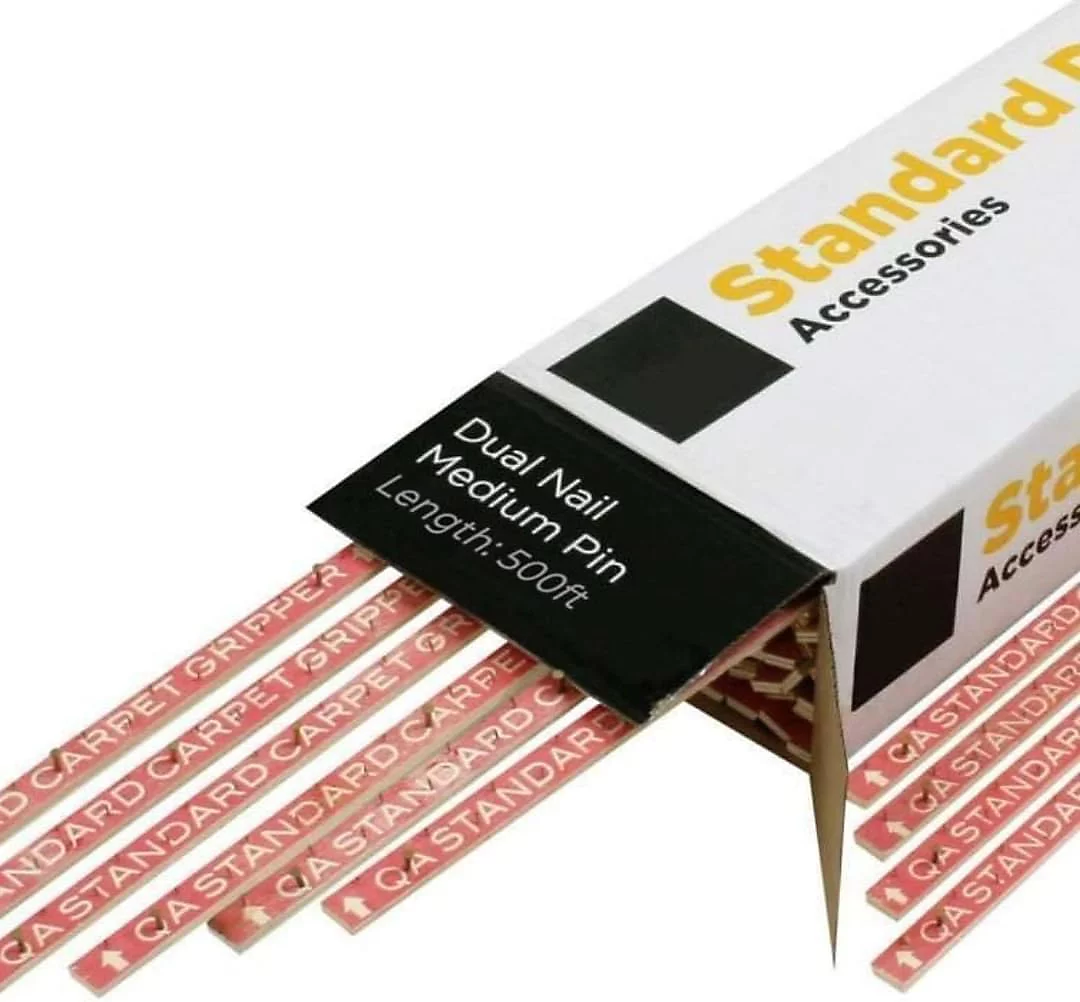
Accessories

Sale
Popular with York homeowners
Add to your basket - fitted price confirmed at your free home visit.
 100% Free · No Obligation
We bring the showroom to you
Our experts come to your home with samples, measure every room precisely, and give you a full fitted quote - all completely free. Most bookings happen within 48 hours.
- Free professional measuring in every room
- Samples brought to your home - see them in your light
- Itemised, no-obligation fitted quote
- Covering York, Harrogate, Thirsk, Malton & surrounding areas
What our customers say
Verified York reviews on Checkatrade and Google.
Flooring fitters across York and surrounding areas
Free home visits across York and surrounding areas - most bookings confirmed within 48 hours.
Frequently asked questions
We're based in Clifton Moor, York and cover the whole York area plus surrounding towns - including Harrogate, Wetherby, Tadcaster, Selby, Malton, Easingwold, Pocklington, Thirsk, Market Weighton and Leeds. If you're not sure whether we reach you, just give us a call - chances are we do.
We'll come to your home at a time that suits you, bring samples so you can see them in your own lighting, measure every room precisely, and follow up with a full fitted quote - no pressure, no obligation, completely free.
We supply and fit carpets and carpet tiles, vinyl flooring, laminate, and luxury vinyl tiles (LVT) for both homes and businesses. Whether you're after a cosy carpet for the bedroom or hard-wearing vinyl for a busy kitchen, we've got options to suit every style and budget.
Most single rooms - like a carpet or vinyl fit - can be done in just a few hours. Larger projects, such as a whole house, may take a couple of days. If we need to lift old flooring or prep the sub-floor, that adds a bit of time. We'll give you a clear estimate when you book.
Professional fitting starts from just £4.50 per m². The exact cost depends on the type of flooring, the room size, and any prep work needed - we'll give you a fully itemised quote at your free home visit with no surprises.
For fitting day the room needs to be completely empty - furniture, curtains, boxes and personal items all cleared out beforehand so our fitters have clean access to the whole floor. If you'd like us to move furniture, or lift and dispose of your old flooring, that has to be agreed in advance and priced separately - it isn't included in the standard fitting cost, and we need to know so we can bring the extra time and hands. We also recommend keeping pets and little ones out of the work area while we're on site.
Yes. All our flooring - carpet, laminate, LVT and vinyl - comes with full manufacturer warranties against defects. On top of that we guarantee our own installation workmanship. If anything's not right after we fit, just get in touch and we'll put it right.
Once you've picked your flooring at the home visit, most fits happen within 1 to 3 weeks - sooner if we have your choice in stock and the calendar's clear. If you're in a rush (moving in, landlord turnaround, new baby on the way) tell us on the visit and we'll flag anything we can pull forward. Home visits themselves are usually within 48 hours of booking.
Ready to start? Book your free York home visit
No pressure, no obligation - just expert advice and a full fitted quote, at your door.